AI is transforming the way we approach fitness and training. Gone are the days of generic workout plans and guesswork. Today, artificial intelligence can analyze your unique biometric data to create personalized training programs that are tailored to your specific needs and goals. This means more efficient workouts, reduced risk of injury, and faster progress.
This article will explore how AI analyzes your biometrics, the benefits of data-driven training, and how you can start leveraging AI to optimize your own fitness journey. Whether you're a seasoned athlete or just starting out, AI can help you unlock your full potential.
Understanding AI-Powered Biometric Analysis
Biometric analysis involves collecting and analyzing physiological data to gain insights into an individual's health and performance. AI enhances this process by automating data collection, identifying patterns, and providing personalized recommendations. Here's a breakdown of the key components:
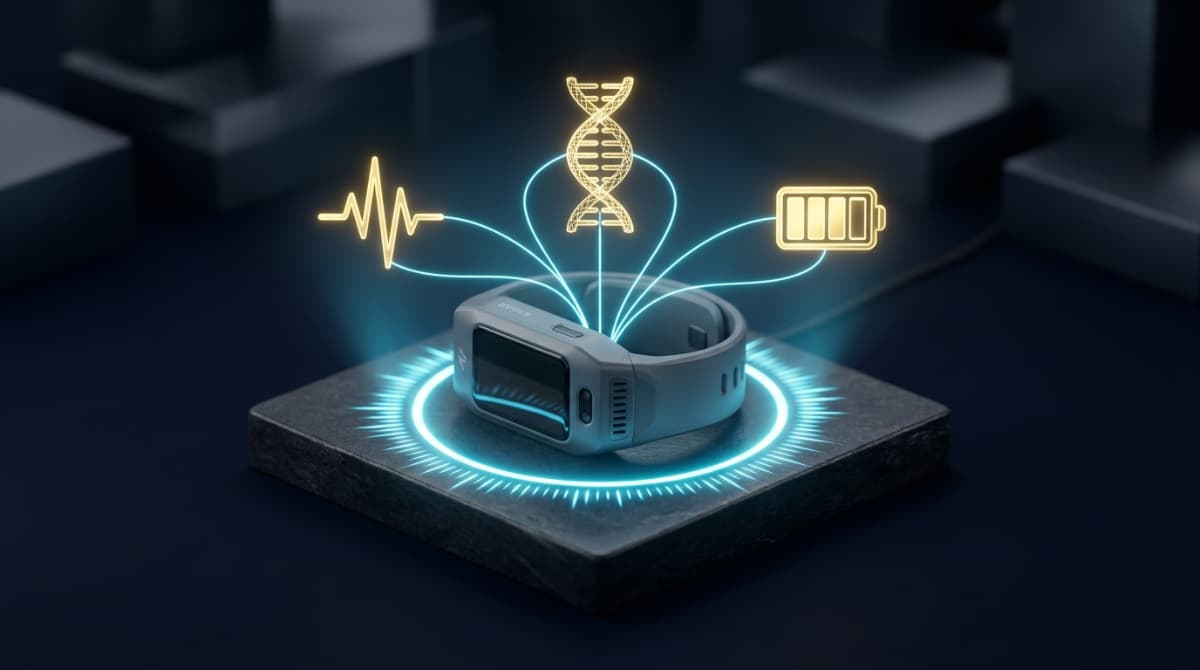
- Data Collection: Wearable devices, such as smartwatches and fitness trackers, collect a wide range of biometric data, including heart rate, sleep patterns, activity levels, and even body temperature. Some advanced systems also incorporate data from smart scales, blood glucose monitors, and other health-tracking devices.
- AI-Powered Analysis: AI algorithms analyze this data to identify trends, correlations, and anomalies. This analysis can reveal insights into your fitness level, recovery rate, sleep quality, and overall health. The algorithms are trained on vast datasets of biometric data, allowing them to identify patterns that would be difficult or impossible for humans to detect.
- Personalized Recommendations: Based on the analysis, AI can provide personalized recommendations for optimizing your training. This might include adjusting your workout intensity, modifying your training schedule, or recommending specific exercises to target your weaknesses. AI can even provide real-time feedback during your workouts to help you maintain proper form and avoid injury, similar to the benefits of AI Form Correction: Perfect Your Exercise Technique with AI.
Benefits of AI-Driven Training
Using AI to analyze your biometrics and optimize your training offers numerous advantages over traditional methods:
- Personalization: Generic workout plans often fail to address individual needs and goals. AI-driven training ensures that your workouts are tailored to your specific physiology, fitness level, and objectives.
- Efficiency: By identifying your strengths and weaknesses, AI can help you focus your training efforts on the areas where you need the most improvement. This leads to more efficient workouts and faster progress.
- Injury Prevention: AI can detect early warning signs of overtraining or potential injuries. By monitoring your biometric data, AI can alert you to potential problems before they become serious.
- Improved Motivation: Seeing tangible results is a powerful motivator. AI-driven training helps you track your progress and celebrate your achievements, keeping you engaged and motivated to continue working towards your goals. Setting AI-Powered Goal Setting: Achieve Your Dreams Faster with AI with visualized data can enhance your motivation even further.
- Data-Driven Decisions: Instead of relying on intuition or guesswork, AI provides you with data-driven insights that empower you to make informed decisions about your training.
Examples of AI-Powered Training in Action
Here are a few real-world examples of how AI is being used to optimize training:
- Personalized Workout Plans: An AI-powered app analyzes your fitness level, training history, and goals to create a customized workout plan that adapts to your progress over time. It uses data from your wearable device to track your performance and adjust the plan accordingly.
- Real-Time Form Correction: AI-powered sensors and cameras monitor your movements during exercise and provide real-time feedback on your form. This helps you maintain proper technique and avoid injury. This is closely related to what we covered in AI Form Correction: Perfect Your Exercise Technique with AI.
- Optimized Recovery: An AI algorithm analyzes your sleep patterns and heart rate variability to assess your recovery level. Based on this analysis, it recommends specific recovery strategies, such as stretching, massage, or active recovery exercises. This can be integrated with AI Sleep Analysis: Optimize Recovery and Performance with Data.
- Nutrition Guidance: Some platforms integrate biometric data with dietary information to provide personalized nutrition recommendations. This can help you optimize your diet for performance and recovery. (Consider AI Nutrition: Optimize Your Diet for Peak Performance for more on that topic.)
How It Works Under the Hood
AI's ability to analyze biometrics stems from a combination of machine learning techniques, primarily supervised and unsupervised learning. Here's a glimpse into the methodology:
-
Data Acquisition and Preprocessing: Raw biometric data (heart rate, accelerometer readings, sleep cycles) is collected from wearable sensors. This data often contains noise and inconsistencies, so it undergoes preprocessing steps like cleaning, filtering, and normalization.
-
Feature Extraction: Relevant features are extracted from the preprocessed data. For example, heart rate variability (HRV) is calculated from heart rate data, and sleep stages (light, deep, REM) are identified from sleep cycle data.
-
Model Training: Machine learning models are trained on large datasets of labeled biometric data. For example, a model might be trained to predict an individual's VO2 max (maximum oxygen uptake) based on their heart rate, age, and gender.
-
Personalized Predictions and Recommendations: Once the model is trained, it can be used to make personalized predictions and recommendations for individual users. For instance, the model might predict an individual's risk of overtraining based on their heart rate variability and training load.
Example Algorithms Used:
- Regression Models: Used for predicting continuous variables, such as VO2 max or recovery time.
- Classification Models: Used for classifying data into different categories, such as sleep stages or risk levels.
- Clustering Algorithms: Used for identifying patterns and groupings in data, such as different types of workouts or training styles.
The key is that the algorithms are constantly learning and improving as they are exposed to more data. This allows them to provide increasingly accurate and personalized insights over time.
Getting Started with AI-Powered Biometric Training
Ready to unlock the power of AI-driven training? Here’s a step-by-step guide to get you started:
-
Choose the Right Wearable: Select a wearable device that accurately tracks the biometric data you're interested in. Consider features like heart rate monitoring, sleep tracking, activity tracking, and GPS.
-
Select an AI-Powered Platform: Look for an AI-powered fitness app or platform that integrates with your chosen wearable device. Research different platforms and compare their features, pricing, and user reviews.
Example features to look for:
- Personalized workout plans
- Real-time feedback
- Progress tracking
- Nutrition guidance
- Recovery recommendations
-
Connect Your Wearable to the Platform: Follow the platform's instructions to connect your wearable device and sync your biometric data.
-
Set Your Goals: Define your fitness goals, such as weight loss, muscle gain, or improved endurance. Be specific and realistic with your goals.
-
Follow the Personalized Recommendations: The AI-powered platform will analyze your biometric data and provide personalized recommendations for optimizing your training. Follow these recommendations closely.
-
Track Your Progress: Regularly monitor your progress and make adjustments to your training plan as needed. Use the platform's tracking tools to visualize your improvements over time.
Actionable Asset: Training Optimization Checklist
To maximize your results with AI-powered biometric training, use this checklist:
- Wear your device consistently to ensure accurate data collection.
- Review your biometric data regularly to identify trends and patterns.
- Adjust your training plan based on the AI-powered recommendations.
- Listen to your body and take rest days when needed.
- Consult with a healthcare professional or certified trainer if you have any concerns.
By following these steps, you can leverage the power of AI to unlock your full potential and achieve your fitness goals faster and more efficiently.